
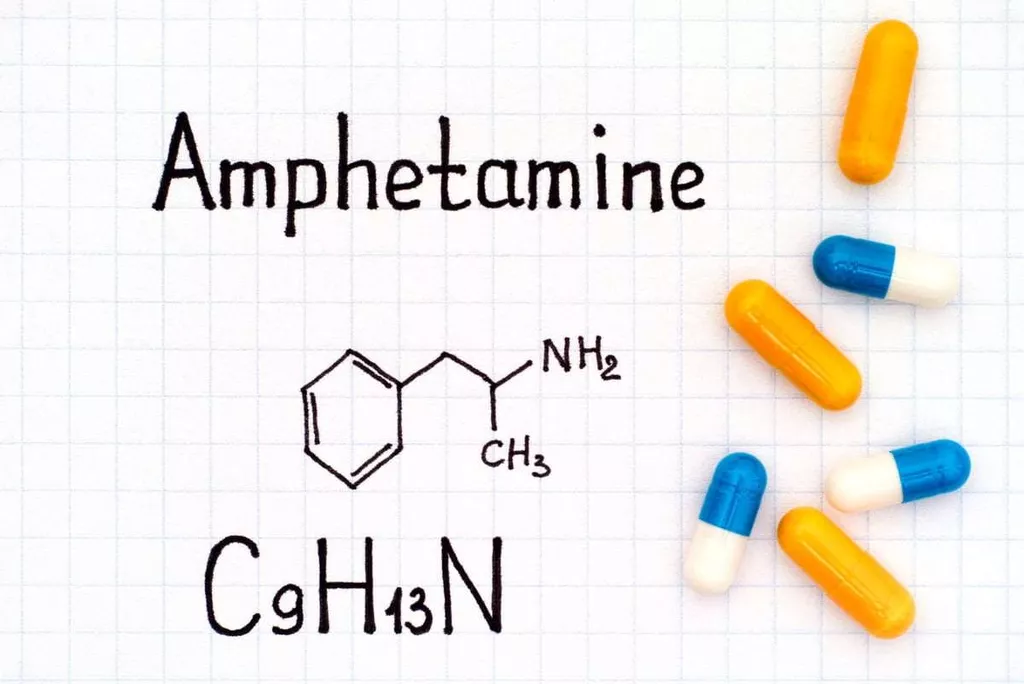
When you become physically and psychologically dependent on a drug, you are suffering from addiction. Addiction is a chronic disease in which you begin to compulsively seek and use a substance despite the negative consequences. These good feelings are one reason that hydrocodone makes Vicodin addictive, but they are not the only reason.
- This is the most common cause of death from Vicodin and alcohol abuse.
- Vicodin combines two types of pain relievers, acetaminophen and hydrocodone, to produce a drug that can help relieve pain that is moderate to severe.
- The user begins to rely on the medication for that sense of relief and tranquilization that follows the slightest discomfort.
- In fact, it can be a less demanding experience with some help and support to keep you calm and make the process run smoothly.
Risks Of Driving And Operating Machinery
Hydrocodone changes how the person taking the drug perceives pain, and it can increase pain tolerance. Schedule III drugs are classified by the U.S. government as potentially causing moderate or low physical dependence or a high psychological dependence if abused. Do not let the stigma of addiction keep you from seeking lifesaving treatment. The public perception of addiction is changing, and more people understand that it is a disease and not a choice. Seeking medical assistance for a substance use disorder can help you avoid a lifetime of health problems. Hydrocodone withdrawal symptoms occur when people quit using the opioid suddenly after prolonged use.
Vicodin Overdose
This type of treatment is highly structured and offers comprehensive support and therapy, making it ideal for individuals with severe Vicodin addiction or those with co-occurring mental health disorders. Patients receive constant medical supervision and a variety of therapeutic interventions to address the root causes of their addiction. Individuals who abuse Vicodin over a long period are at an increased risk of developing more severe mental health disorders, such as major depressive disorder or anxiety disorders. The stress of managing addiction, combined with the drug’s impact on the brain, can lead to the onset or worsening of these conditions. Furthermore, the risk of suicidal ideation is significantly higher among those struggling with opioid addiction.

Medically assisted detox
This includes regular therapy sessions, support groups, and continued use of MAT if necessary. Aftercare programs help prevent relapse and support long-term recovery by providing a stable support system and addressing any ongoing challenges in maintaining sobriety. Causes of Vicodin addiction include prolonged use, genetic predisposition, psychological factors such as stress or trauma, and environmental influences like peer pressure or exposure to drug use. Prolonged Vicodin abuse can lead to cognitive impairments, affecting memory, attention, and decision-making abilities. The drug’s impact on brain chemistry, particularly the opioid receptors, can alter brain function, leading to difficulties in processing information and reduced cognitive flexibility. These changes can persist long after the drug use has stopped, making recovery challenging.
- There are specific reasons why doctors don’t prescribe hydrocodone/acetaminophen for long-term use.
- Depending on how much and for how long you have been taking Vicodin, the withdrawal symptoms can range from mild to very severe.
- This can impair kidney function, leading to chronic kidney disease or even kidney failure over time.
- Rehab treatment also uses behavioral treatments to help people overcome hydrocodone addiction.
- Others may mix Vicodin with stimulants in order to experience a more intense rush and negate some of the negative side effects of stimulant abuse.
- Your healthcare provider will monitor you for side effects if they prescribe you one of these medicines.
- That means that the body adapts its receptors to be less sensitive to the drug molecules.
- If your doctor prescribes hydrocodone for you, you can take steps to avoid serious complications from hydrocodone addiction.
- Vicodin operates by interacting with the body’s central nervous system.
- Detox programs use medications for a period of five to seven days while your body withdraws from hydrocodone dependence.
- Hydrocodone can depress breathing and should be used with caution in elderly, debilitated patients and in patients with serious lung disease.
- You will need to get the drug out of your system, and doing this in a medically supervised environment means that you can get relief for withdrawal symptoms.
- The U.S. Drug Enforcement Agency classifies opioids as Schedule 2 drugs.
Individuals battling Vicodin addiction are also susceptible to long-term mental health problems such as depression. If you are experiencing co-occurring disorders, both diseases can be simultaneously treated at rehab. Many individuals with a substance use disorder do not seek professional assistance. And the most effective way to overcome Vicodin abuse is to seek rehab for opioid addiction. The Drug Enforcement Administration classifies hydrocodone as a Schedule II substance. This means that hydrocodone products such as Vicodin have a high potential for abuse and https://ecosoberhouse.com/ their use can result in severe physical or psychological dependence.

Hydrocodone without acetaminophen is sold under the brand name Zohydro®. drug addiction treatment Some individuals with a hydrocodone addiction have a specific brand they prefer, despite all opioids (including morphine, codeine, and heroin) having similar effects if taken in large enough quantities. Researchers say this type of preference has practical and psychological foundations.

Overdose
We publish material that is researched, cited, edited and reviewed by licensed medical professionals. The information we provide is not intended to be a substitute for professional medical advice, diagnosis or treatment. It should not be used in place of the advice of your physician or other qualified healthcare provider. It should not be used in place of the advice of your physician or other qualified healthcare providers. Vicodin serves the purpose of relieving moderate to severe chronic or acute pain in individuals who are struggling with such. As it depresses the central nervous system, Vicodin impacts users by hindering vicodin addiction their ability to feel pain while simultaneously bringing about feelings of contentment, relaxation, and overall wellbeing.